
Home / Destinations / San Francisco / Ferry Building & the Embarcadero

San Francisco · 2 min listen · 4 sources

Ferry Building & the Embarcadero

Quick answer

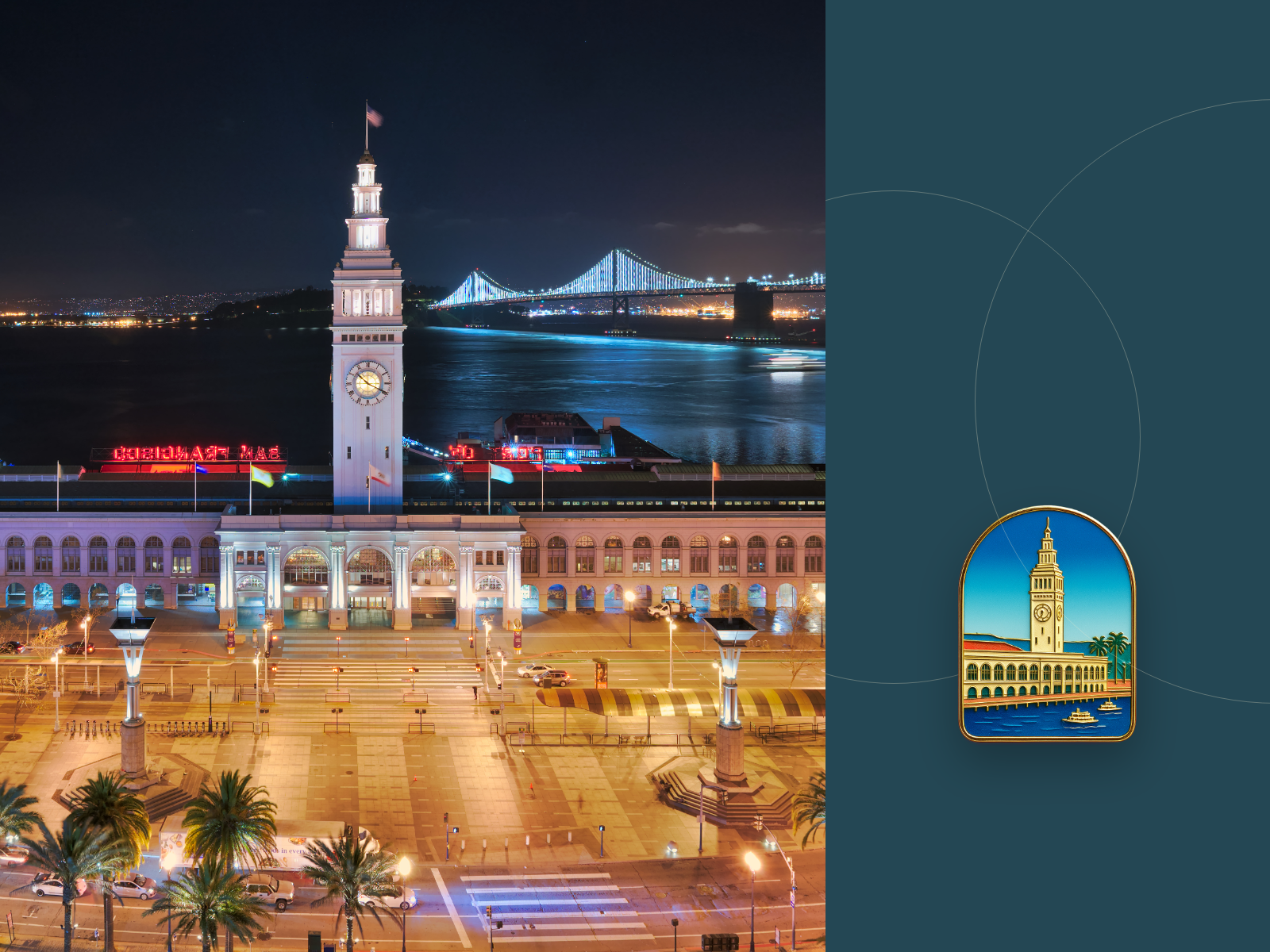
The Ferry Building San Francisco opened on July 13, 1898 at the foot of Market Street, and before the bridges it handled around 50 million passengers a year. Its 245-foot clock tower carries four dials 22 feet across. Ferry traffic collapsed after the Bay Bridge opened in 1936, and a 2003 restoration reopened the 660-foot nave as a food marketplace.

Audio in production The script below is finished and sourced; the recording is queued. Guides that are already recorded are on the audio tours page. Hear a recorded guide →

Full transcript

The City's Front Door

Before the bridges, everyone arrived in San Francisco by water, and they arrived through here. That made this the second busiest transit terminal on earth — only Charing Cross in London moved more people. The clock tower is 245 feet, with four dials 22 feet across, and you will read everywhere that it copies the Giralda in Seville. There is no evidence for that. The echo is real; the paper trail does not exist.

A Temple of California Food

The bridges took the crowds, and the trains that started running into the Transbay Terminal in 1939 took the rest. The building went quiet for sixty years, until a restoration begun in 2002 turned it into what it is today: a grand marketplace of California's best food. Inside, farmers sell stone fruit and heirloom tomatoes from the Central Valley; stands shuck oysters from Tomales Bay; and the smell of sourdough from Acme and coffee from Blue Bottle fills the air. It's the single best place in the city to taste what California grows, catches, and bakes.

Walk the Embarcadero

Outside the Ferry Building runs the Embarcadero, a wide waterfront promenade built after the 1989 earthquake damaged the old freeway that once walled the city off from its bay. Today it's 3.5 miles of palms, piers, and public art — walk north toward Pier 39, or south toward Oracle Park. The farmers market on the plaza runs three days a week and is where locals actually stock their kitchens; check which day before you plan around it. Then walk out to the end of the pier behind the building and look back — this is the doorstep a whole city used to arrive through.

The checkable facts

  • Opened 13 July 1898, replacing an 1875 wooden building on the same site
  • The clock tower is 245 feet tall with four dials each 22 feet across
  • Until the bridges opened it was the second busiest transit terminal in the world, after London's Charing Cross
  • The Giralda attribution is long-asserted but unsubstantiated

All the numbers, with sources →

After the guide

Practical bookings for this stop. These are affiliate links: they cost you nothing extra and they do not change what we recommend.

Hotels near this stop

Search stays nearby →

Data that works on landing

Get a local eSIM →

Frequently asked

When did the Ferry Building open, and who designed it?
It opened on July 13, 1898, to a design by the architect A. Page Brown, drawn up in 1892. The steel-framed terminal runs 660 feet along the waterfront, and the tower carries four clock dials 22 feet across. It replaced a wooden ferry house that had stood on the same spot.
Why did the ferries stop running?
Bridges took the traffic. The Bay Bridge carried its first cars in November 1936 and the Golden Gate Bridge followed in May 1937, so commuters who had crossed by boat drove instead. Service shrank to almost nothing by the 1950s. A small commuter fleet returned in the 1970s and still docks behind the building.
What is inside the Ferry Building today?
The ground-floor nave holds roughly fifty independent food businesses: cheesemongers, bakers, coffee roasters, an oyster bar, butchers and produce sellers, most of them small California operations rather than chains. The plaza outside hosts the Ferry Plaza Farmers Market several mornings a week, run by the non-profit CUESA, where growers sell direct to the public.
What happened to the freeway that used to block the building?
The double-deck Embarcadero Freeway, State Route 480, ran across the facade from 1959. The Loma Prieta earthquake of October 1989 damaged it beyond economic repair, the city won the argument to tear it down rather than rebuild, and demolition finished in 1991. A surface boulevard and waterfront promenade took its place.

Sixty seconds costs nothing

Judge the writing and the voice before you spend anything.